When it comes to pediatric skull reconstruction, every millimeter matters. Surgeons require implant solutions that are not only biocompatible and strong but also adaptable to the delicate and growing anatomy. This is where the mini titanium mesh for the kull becomes an ideal choice. Its flexibility, trimmability, and low-profile characteristics make it uniquely suited for cranial procedures in children, minimizing soft tissue pressure while providing stable, long-term support.
In this article, we explore why medical professionals and OEM buyers are increasingly turning to mini titanium mesh for pediatric cranioplasty and craniofacial reconstruction.
What Is Mini Titanium Mesh for Skull?
Mini titanium mesh for skull refers to a thin, lightweight, and malleable sheet made from medical-grade titanium (typically ASTM F136 or F67) designed for cranial reconstruction. Unlike standard titanium plates, mini meshes are ultra-thin—often below 0.3 mm in thickness—and come in smaller sizes or customizable formats.
While standard mesh may be suitable for adult cranial reconstruction, the mini variant is specifically designed for pediatric use, where lower anatomical load, growth accommodation, and surgical flexibility are essential.
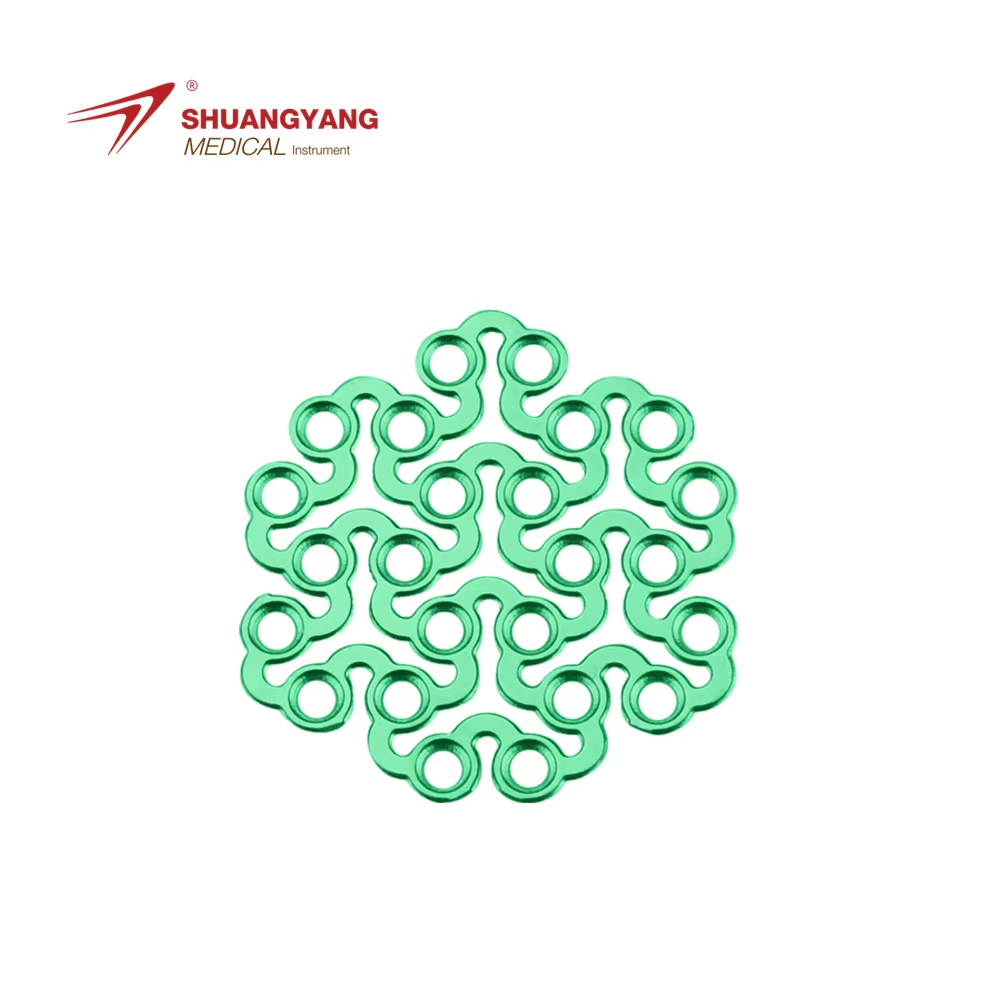
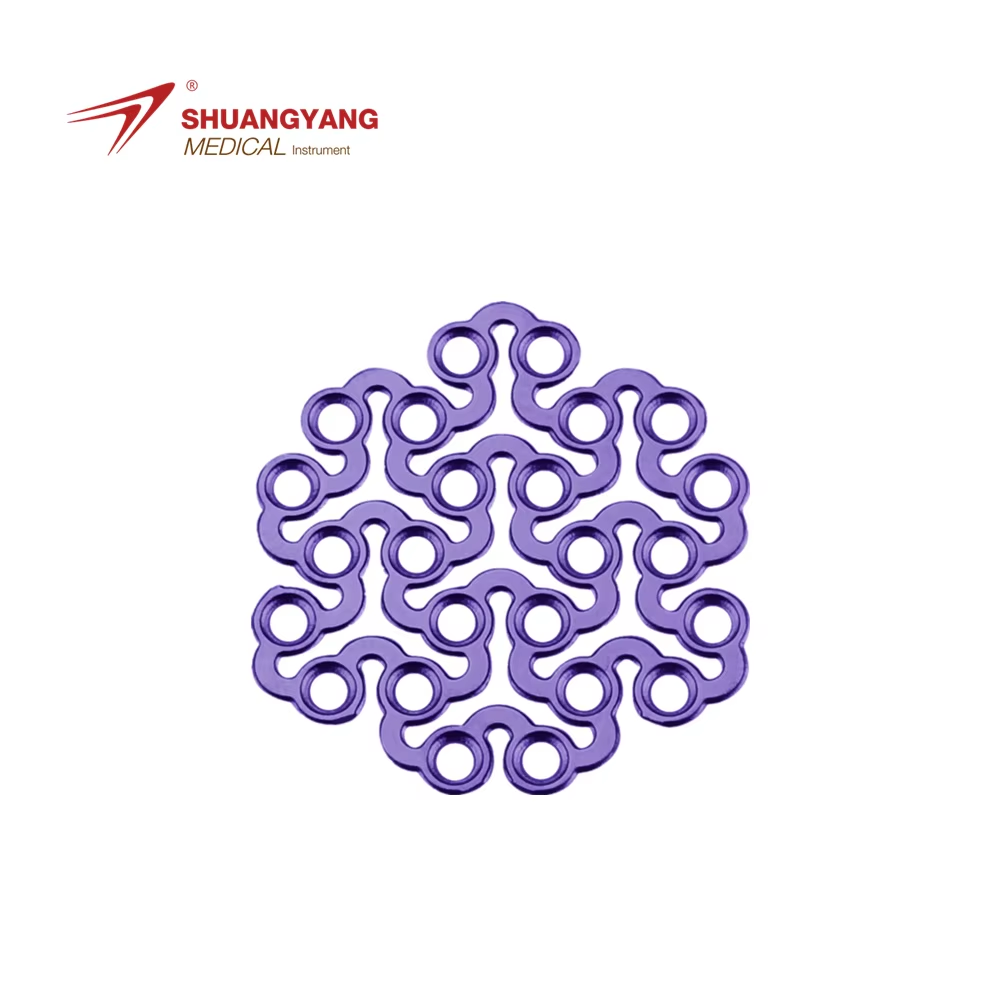
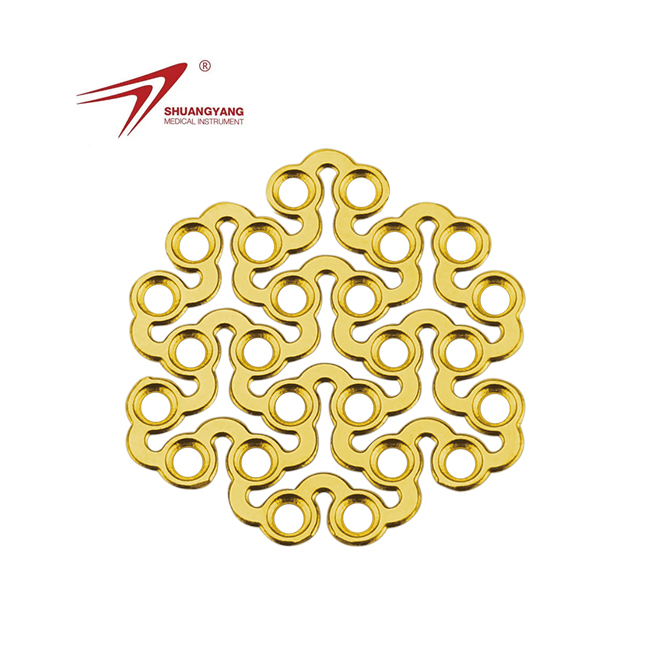
Key Advantages of Mini Titanium Mesh in Pediatric Skull Surgery
1. Exceptional Flexibility for Complex Anatomical Contours
Children’s cranial anatomy is smaller and more variable than that of adults. Mini titanium mesh offers outstanding intraoperative flexibility, allowing surgeons to contour the mesh easily to fit curved or irregular bone defects.
Clinical relevance: During skull trauma repair or congenital cranial deformity correction, the ability to conform precisely to the bone surface helps achieve better fixation and aesthetic outcomes.
Surgeon-friendly design: The mesh can be bent and shaped using standard surgical tools without compromising structural integrity.
2. Easily Trimmable for Custom Fit
One of the most appreciated features of mini titanium mesh for skull reconstruction is its ease of customization. Surgeons can cut the mesh in the operating room using scissors or cutters, tailoring the size and shape according to the defect.
This not only speeds up the procedure but also reduces the need for pre-fabricated, patient-specific implants, especially in urgent trauma cases.
Some suppliers also offer laser-etched grids or dot markers for easier alignment and symmetry control.
3. Low-Profile Design Minimizes Tissue Irritation
Unlike thicker titanium plates that may cause soft tissue tension or long-term discomfort, mini meshes are designed with a low-profile structure, typically between 0.1 mm and 0.3 mm in thickness. This is critical for pediatric patients, where skin and soft tissue layers are thinner and more sensitive.
Reduced pressure on scalp tissue lowers the risk of postoperative complications such as skin breakdown or implant exposure.
The low-profile design also supports a more natural cranial contour, improving cosmetic outcomes in visible areas of the skull.
4. Supports Skull Growth and Bone Healing
Children’s skulls are not fully developed, so implants used must not interfere with natural bone growth. Mini titanium mesh provides sufficient support for bone healing while allowing osteointegration and tissue remodeling.
Porous design: The mesh typically features perforations to allow bone ingrowth, nutrient transfer, and post-op imaging visibility.
Growth-friendly: Unlike rigid plates, the mesh adapts to minor bone remodeling over time, making it a safer long-term option.
5. Proven Biocompatibility and Mechanical Strength
Titanium is well-established in the medical field for its biocompatibility, corrosion resistance, and non-magnetic properties. Even in miniaturized formats, the mesh maintains its tensile strength and fatigue resistance, which is vital for maintaining cranial integrity in active, growing children.
MRI compatibility ensures that post-op imaging can be done safely without artifacts.
Sterilization-ready: Meshes are compatible with autoclave or gamma sterilization methods.
6. Compact Packaging and Storage for OEMs and Hospitals
From a buyer’s perspective, mini titanium mesh is also advantageous in terms of inventory management and logistics:
Space-saving packaging makes it ideal for surgical kits or emergency trauma units.
OEM customization: Manufacturers can offer private labeling, custom mesh sizing, or bundled configurations (e.g., mesh + screws) for distributors or device brands.
Clinical Use Cases
Trauma Reconstruction: Mini titanium mesh is frequently used for repairing depressed skull fractures in infants and young children.
Craniosynostosis Repair: When bone segments are reshaped and repositioned, mesh provides structural support without interfering with skull growth.
Tumor Resection Reconstruction: Pediatric cases involving cranial defect post-resection benefit from the lightweight, adaptable nature of mini mesh.
Custom Mini Titanium Mesh Available at Shuangyang Medical
At Jiangsu Shuangyang Medical Instrument Co., Ltd., we understand that every pediatric cranial case is unique. That’s why we offer custom manufacturing services for mini titanium mesh, including small-size formats, variable pore structures, and precision trimming based on clinical requirements. Whether you need ultra-thin mesh for infant trauma repair or tailored shapes for craniofacial reconstruction, our team is ready to support your surgical or OEM needs.
Explore our 3D anatomical titanium mesh products and contact us to learn how we can provide custom mini mesh solutions that match your technical specifications and quality standards.
Post time: Jul-22-2025