In modern implant dentistry, insufficient alveolar bone volume remains a common obstacle that affects implant stability and long-term success. Guided Bone Regeneration (GBR) has become a crucial surgical technique for addressing this issue. However, achieving predictable results depends heavily on choosing the right Dental Implant GBR Kit.
This article examines the role of GBR kits in implant procedures, describes the function of each component (such as membranes, tacks, and bone grafts), and provides practical guidance on selecting the appropriate kit for various clinical situations.
What Is a Dental Implant GBR Kit?
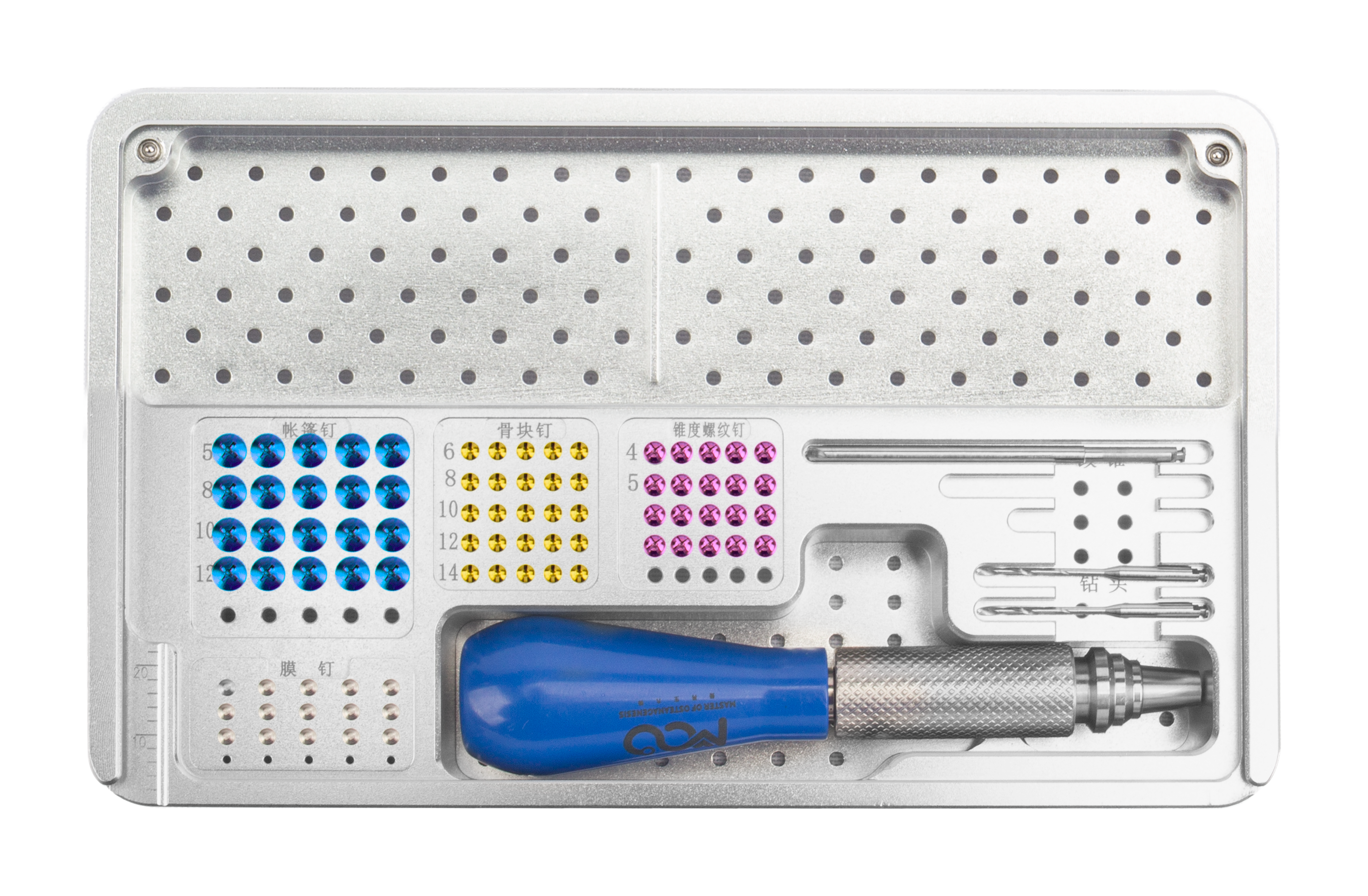
A Dental Implant GBR Kit is a surgical toolset used to facilitate bone regeneration in areas with insufficient bone mass before implant placement. The kit typically includes both consumables and instruments necessary for executing GBR procedures effectively and safely.
Standard components of a GBR kit include:
Barrier Membranes (resorbable or non-resorbable): To isolate the bone defect and guide regeneration by preventing soft tissue ingrowth.
Bone Graft Materials: To fill the defect and support new bone growth.
Fixation Screws or Tacks: To stabilize membranes or titanium meshes.
Titanium Mesh or Plates: To provide space maintenance in large or complex defects.
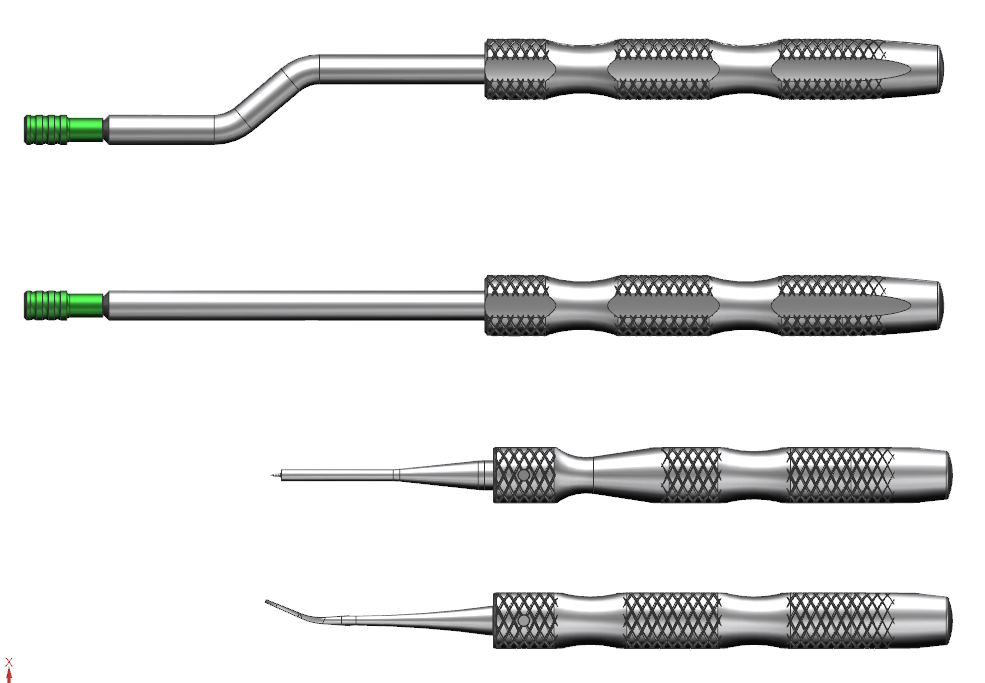
Surgical Instruments: Such as tack applicators, forceps, scissors, and bone graft carriers to aid in precise handling.

The Role of GBR Kits in Implant Surgery
1. Rebuilding Bone Volume
When alveolar bone is deficient, GBR allows clinicians to regenerate sufficient bone volume to support stable implant placement. This is especially critical in the esthetic zone or areas with severe resorption.
2. Guiding Bone Growth
The membrane functions as a barrier to prevent the migration of epithelial and connective tissues into the defect, ensuring that osteogenic cells dominate the regeneration site.
3. Space Maintenance
Fixation devices and titanium meshes help maintain the grafted space, preventing collapse and promoting effective new bone formation.
How to Choose the Right GBR Kit for Your Case?
Each clinical scenario is unique. The ideal Dental Implant GBR Kit should match the complexity of the defect, the surgeon’s experience, and patient-specific factors. Key considerations include:
1. Type and Location of Bone Defect
Horizontal Bone Defects: Use resorbable membranes with bone graft materials for flexible adaptation.
Vertical or Combined Defects: Prefer titanium mesh or reinforced membranes with stable fixation.
Anterior Esthetic Zone: Thin, resorbable membranes are ideal to avoid aesthetic issues after healing.
2. Patient-Specific Factors
For high-risk patients (e.g., smokers, diabetics, or poor compliance), choose graft materials with stronger osteoconductivity and more rigid membrane options to improve outcome predictability.
3. Surgical Experience
Beginner or Intermediate Surgeons may benefit from complete pre-configured GBR kits with all components included.
Experienced Practitioners might prefer modular kits or customized selections based on their clinical preferences and techniques.
What to Look for in a GBR Kit?
When evaluating a Dental Implant GBR Kit, focus on the following:
Material Safety & Certifications (e.g., CE, FDA)
Biocompatibility and Resorption Profile of Membranes and Bone Grafts
Ease of Screw or Tack Insertion and Removal
Instrument Precision and Durability
Customizability and Compatibility with Various Defect Types
At Shuangyang Medical, we specialize in the design and manufacturing of Dental Implant Guided Bone Regeneration Kits tailored to clinical needs. Our kits feature high-quality membranes, titanium screws, grafting instruments, and optional add-ons — all CE-certified and trusted by implant professionals worldwide. Whether you're a distributor, clinic, or OEM client, we offer customizable solutions backed by reliable production capacity and strict quality control.
Explore our Dental Implant GBR Kit in detail and contact us for samples, catalogs, or technical support.
Post time: Aug-04-2025